Richard Leonard Walker
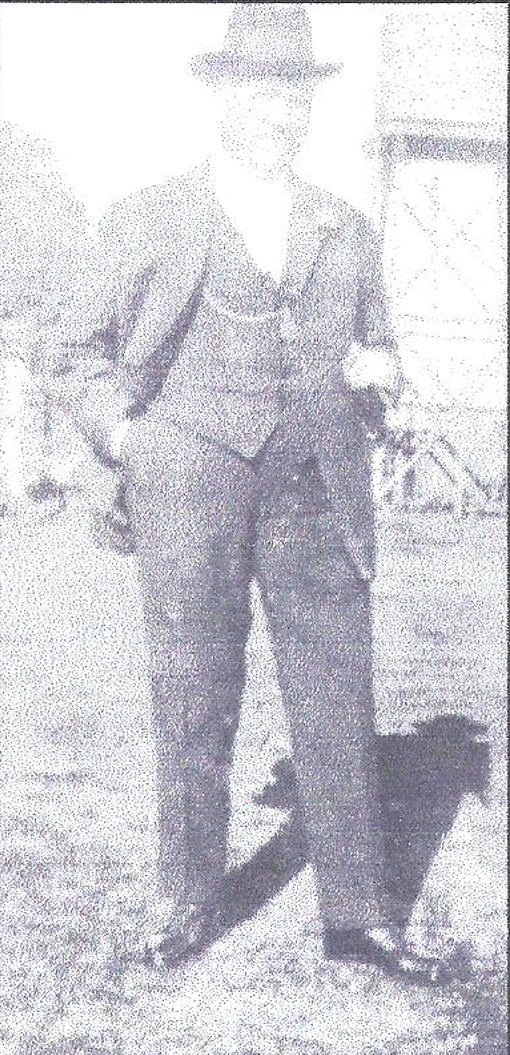
Born England, believed Middlesex, 5th August 1854, died of a heart attack Perth, Western Australia, 4th January 1939 at the age of 84.
He married Anna Maria Bulley at St Andrew’s Cathedral, Sydney, New South Wales in August 1884.
Anna was born in Sydney, 1862, daughter of carpenter Henry Bulley and his wife Elizabeth who emigrated from Devon to New South Wales in 1855.
Richard was a plasterer by trade, as was his father, James Walker, in England; however, he was also involved in a number of other occupations during his life.
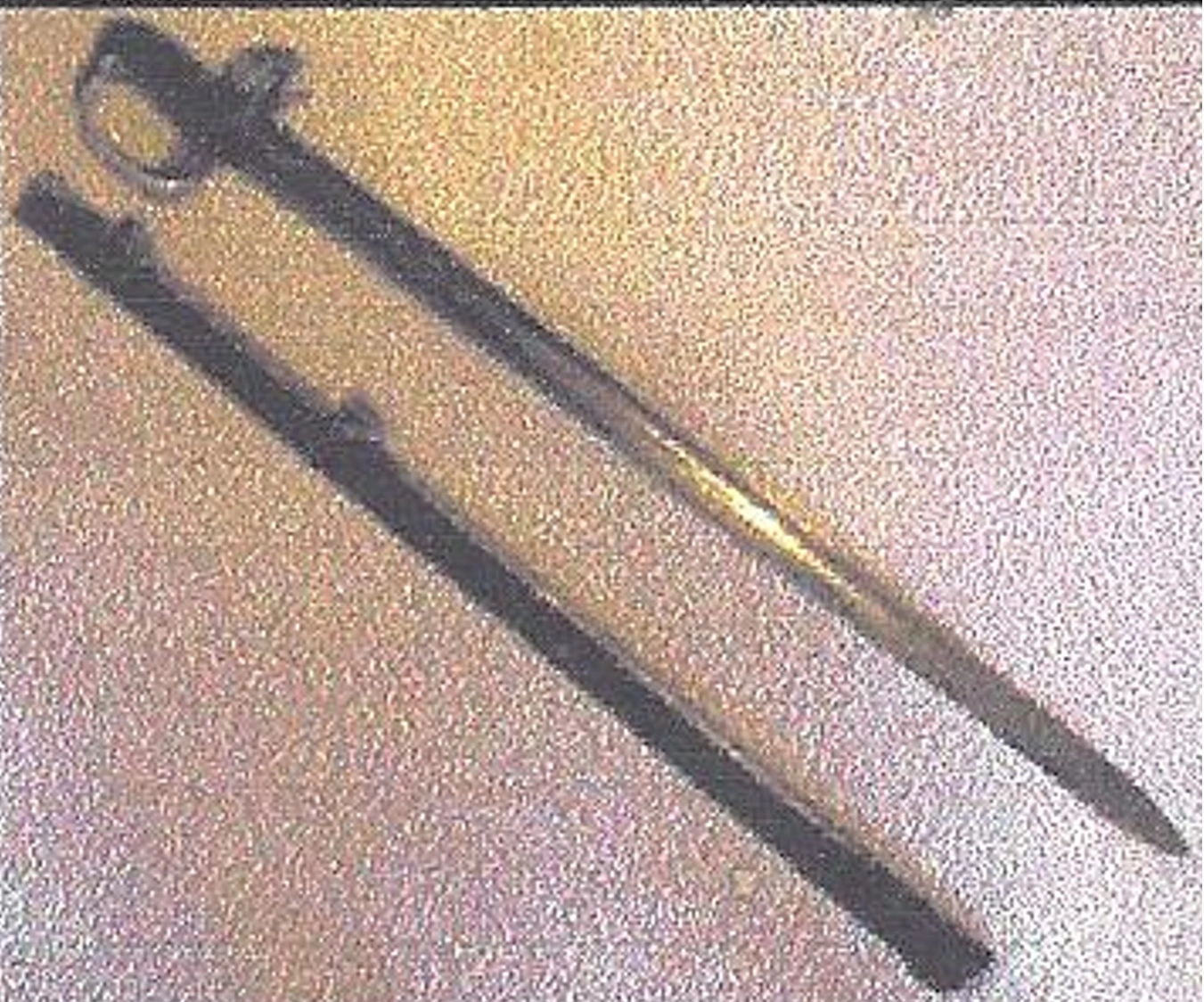
Nothing is known of Richard’s early life in England. It is believed that he sailed from Liverpool to the United States when only 18, supposedly to collect an inheritance. Apparently all he gained in this regard was an old heavy cavalry sword, said to be used in the American Civil War. This weapon still exists and has recently been identified as an Austrian cavalry broadsword such as used by 19th Century Cuirassiers. It was manufactured by a factory owner named Fischer, who, between 1820 and 1850, was responsible for the delivery of all metal components for the Austrian Army.
Richard had other swords in his possession, including a handsomely engraved ceremonial sword (given after his death to a member of a Masonic Lodge) and one disguised as a walking stick, which he carried about with him.
Information recently received from family descendants in England suggest that Richard might have travelled to America with an uncle and family around 1872. As two daughters were born there to this family c 1874 and 1876, they must have lived in the U S for several years before returning to London, where further children were born between 1879 – 1886. It is possible that the uncle was the recipient of any inheritance and that he gave Richard the cavalry sabre as a souvenir.
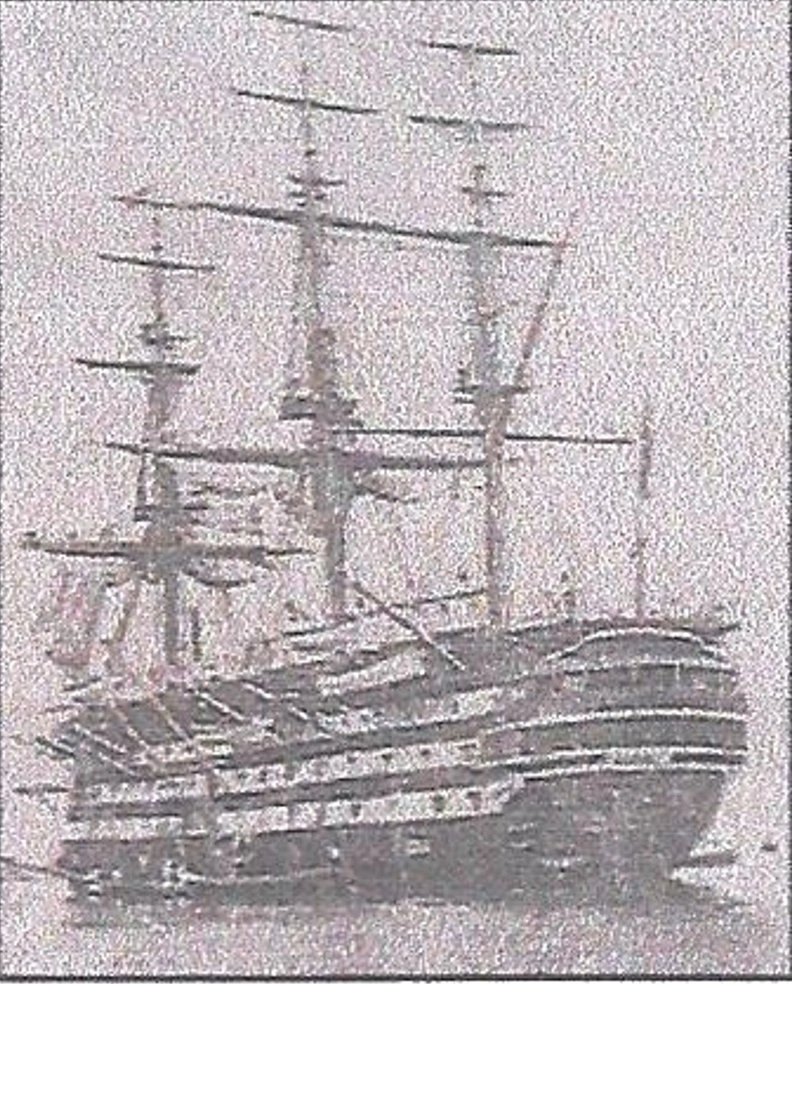
It is not known how long Richard stayed in the United States, nor how, when or where he came to Australia. He had some connection with a British naval vessel, the H M S St Vincent, which served as a training ship for boys throughout the 1870s and up until 1906, when it was broken up for scrap.
Evidence of this connection is mentioned in a diary written by Richard’s eldest son, Len, a student at Oxford University between 1904 and 1907, who, in 1905 contacted the captain of the St Vincent requesting a photograph of the vessel and souvenirs to send to his father. The former item and a cap ribbon were duly received and Len also wrote an account of travelling to Portsmouth where he was shown over the ship.
Documents in the Public Records Office at Kew show that the St Vincent made voyages between England and the West Indies and that a Richard Walker signed on in Jamaica during 1876(?). It would be speculative to say that this was Richard Leonard Walker, but it is possible. He could have made his way to the West Indies from the United States and boarded the vessel at that time. His skill in swordsmanship could have been acquired through service aboard, or conversely, he may have developed this skill previously, through another agency, and served as an instructor. However, this is further speculation, based on very meagre information.
There is evidence that Richard had settled in New South Wales by 1882, as the State Electoral Roll lists him as living in Clarence Street, Sydney, during that year. His Marriage Certificate, dated 21st August 1884, confirmed this address and gave his occupation as a Watchman. Because of its proximity to Circular Quay, it is speculated that he possibly served in this capacity on the docks. By the time that his eldest son, James Leonard (Len) was born the following year, the family was living at 105 Stanley Street, not far from Sydney’s Hyde Park, and Richard was working as a plasterer. When a second son, Horace, was born in 1888, Richard was still engaged in this trade, but the family had moved again, this time to Cooper Street in Surrey Hills.
It seems obvious that during his early life Richard developed considerable interest in athletics and other sports, for while living in Sydney he was involved in organising sporting events and coaching young people.
In 1888 New South Wales suffered a severe drought which seriously affected the economy of the Eastern States of Australia over the next few years and with a decline in the building trade Richard would have found it difficult to sustain steady employment. On the other hand, Western Australia, which gained self-government in 1890, was experiencing gold discoveries in several parts of the State, was becoming increasingly prosperous, and this no doubt prompted Richard and his family to move to Perth in the hope of a better future.
Leaving Sydney in February 1891, they journeyed to Adelaide by train, then boarded the coastal steamer, S S Albany , operated by the Adelaide Steamship Company, to travel westward across the Bight to Fremantle, arriving on the 12th March, having called at the ports of Albany, Vasse and Bunbury to discharge passengers and cargo on the way.
After leaving Bunbury the previous evening, the saloon passengers saw fit to call upon Richard to present to the Master of the vessel, Captain Irvine, with the following address: -
“S S Albany at sea – March 11th 1891. To the captain and officers of the S S Albany. We, the undersigned saloon passengers, desire to convey to you our sincere thanks for your kind and courteous attention during our voyage from Melbourne to Fremantle. We are also desirous that you will convey our thanks to the chief steward and his staff for the untiring efforts they have displayed to make everything as comfortable as possible during the unfavourable weather we experienced on the trip. Their conduct left nothing to be desired (Passengers’ names appended)”
After reaching Perth initial residence was taken up in Roe Street next to the Salvation Army Officers’ Quarters between Hutt (later William) Street and Lake Street, but by 1894 the family had moved to their permanent home in Palmerston Street. There, over the next few years, four more sons and a daughter were born to Richard and his wife, but tragically each of these died while quite young, leaving only Len and Horace as their surviving children.
It is probable Richard obtained work as a plasterer soon after settling in Western Australia in order to make a living, but within weeks he set about establishing a gymnasium, destined to become the first in Perth and what is believed to be the State’s first public fencing school. A notice was published in The Inquirer and Commercial News on May 8th 1891, advising that a lease of the Railway Reading Room had been obtained for the purpose and the following week an article appeared in the same newspaper on May 20th: -
“Mr Walker, gentleman for many years connected with athletic matters in Sydney, both as a promoter of large athletic gatherings and actively engaged as a tutor, has taken on the lease of the Railway Reading Room for the purpose of inducting the youth of both sexes into beautiful recreation; and with a view to that end the Hall is being fitted up and equipped with all the necessary appliances. Instruction in boxing; single stick; foils; Indian clubs; dumbbells; Roman rings; vaulting horses; bars (horizontal and parallel), will form the daily routine of exercises. Particular care will be exercised in the admission of pupils.
Parents and others should recollect that “mens sana in corpore sano” should be carefully studied, and such exercises are conducive to that end.
The colony is much to be congratulated that such an opportunity is now afforded to bring out our West Australian young men and youths on a footing of equality, physically, with those of the sister colonies, and we sincerely and earnestly hope the patronage will well repay Mr Walker’s enterprise and energy.”
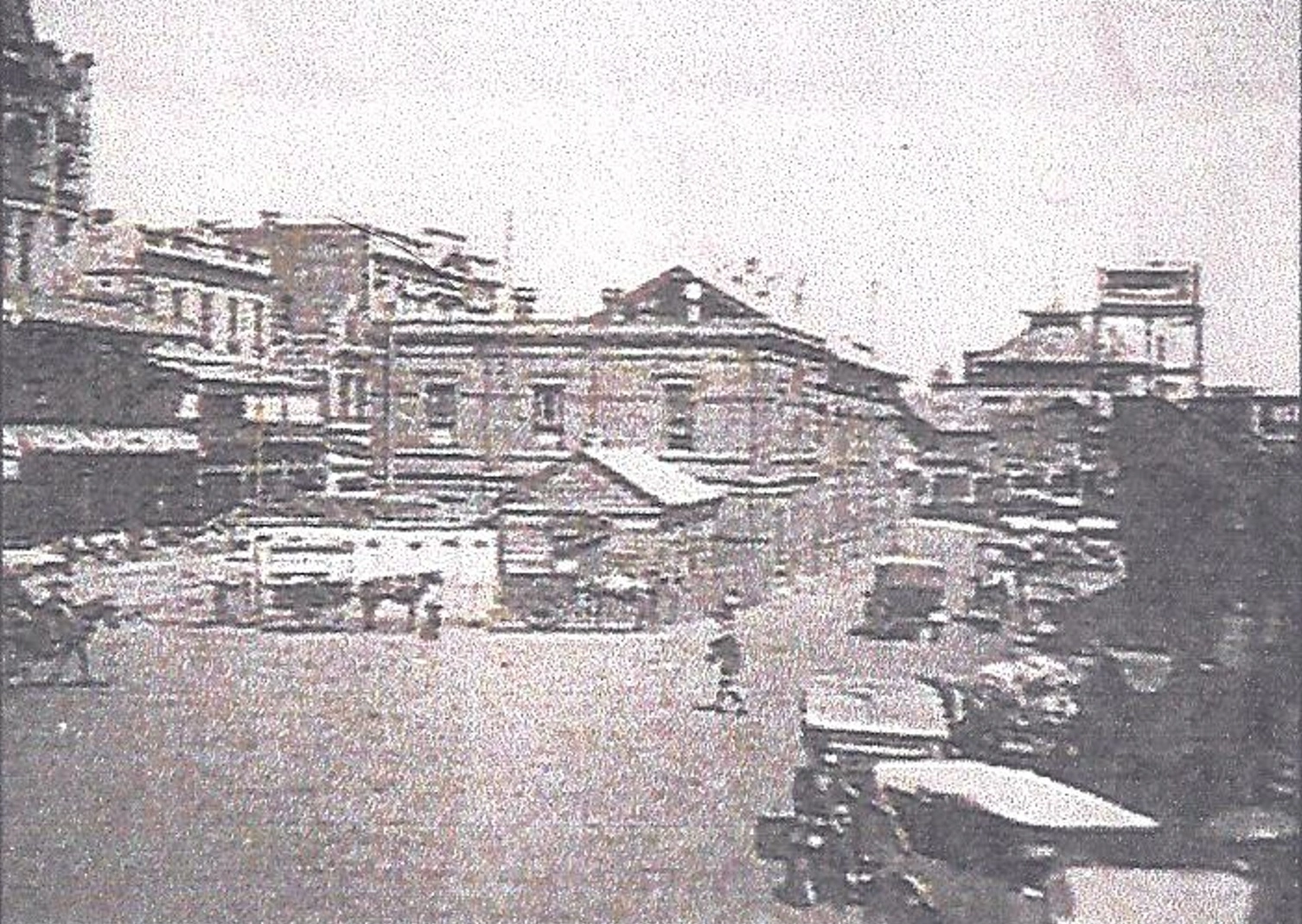
The Railway Reading Room was incorporated in a two storeyed brick or stone building built in 1888. This was to become Perth’s original Railway Institute and was situated near the corner of Wellington and William Streets opposite Baird’s Store. It stood at the foot of the Horseshoe Bridge when that edifice was completed, and had the Perth Railway Station on its northern side, separated by a curved carriageway off Wellington Street.
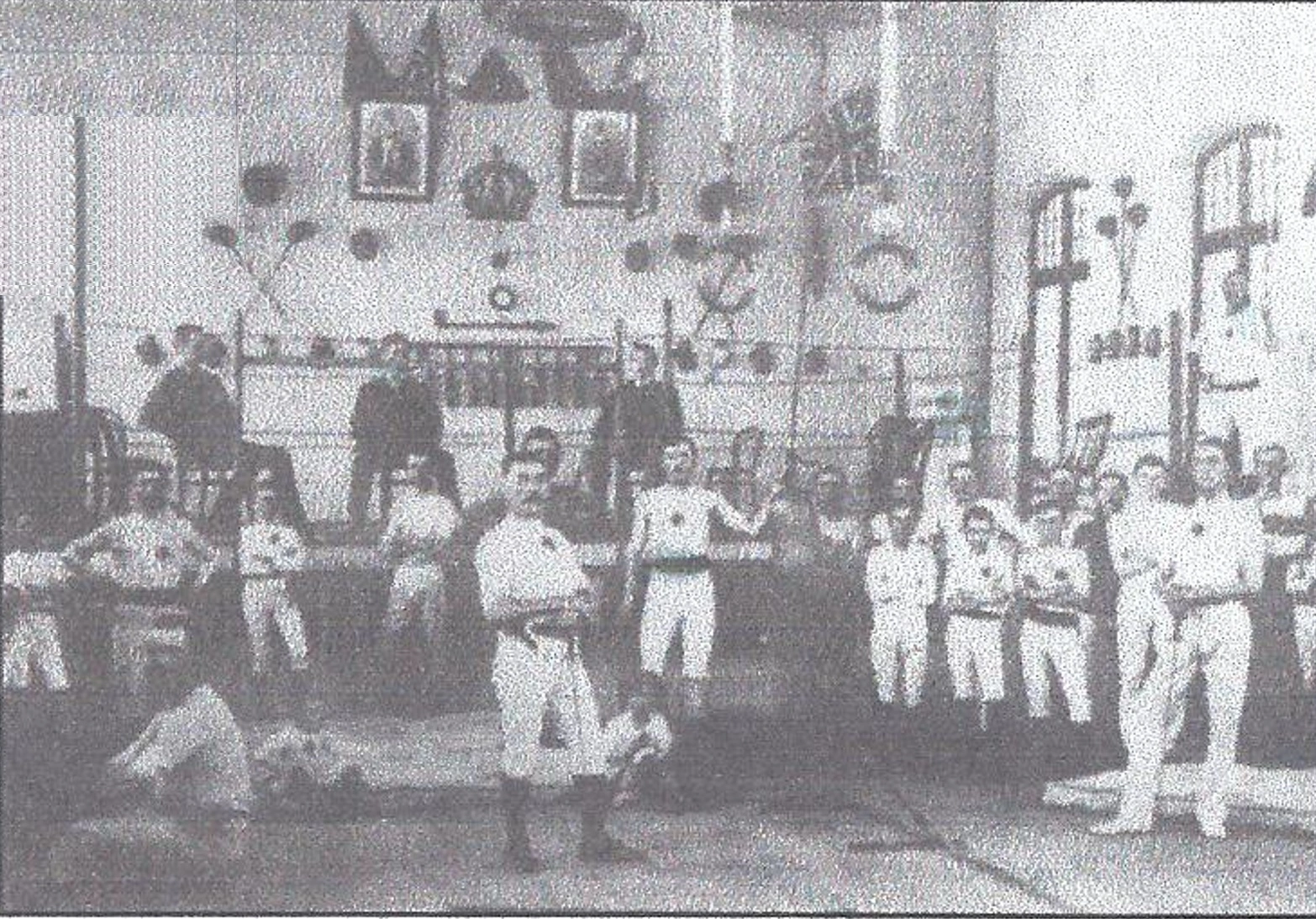
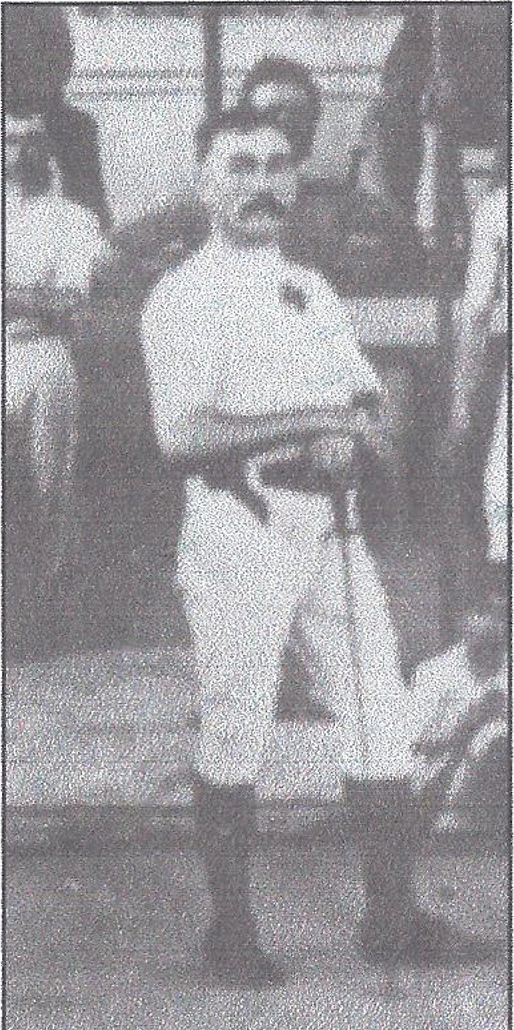
Proclaiming himself a Professor of Gymnastics, although it is uncertain whether any genuine credentials existed in this regard, “Professor” Walker opened his gymnasium, named the Perth Athletic Hall, on June 1st 1891, a date which coincided with other events in Western Australia’s history. It was Foundation Day, and also the day on which knighthood was conferred on Premier John Forrest and C. Y. O’Connor arrived in Perth to assume the duties of Engineer – in - Chief, a position in which he was to make significant contributions to the State’s development.
Classes at the gymnasium were initially given in only boxing; foil and single stick fencing; Indian club and dumbbell exercises due to lack of equipment for the other activities proposed. This was eventually imported from the Eastern States and within weeks the Perth Athletic Hall was a well-equipped and flourishing concern.
The period of time over which Richard Walker operated his gymnasium is not known, but it is believed to have existed for a number of years. However, classes may have only been held during evenings and weekends, as children would have had school to attend and most adults would have been employed during working hours, which were generally longer than they are today. There is evidence that Richard was working at his trade as a plasterer during 1894 and 1895, as a publican in 1899 and as an Estate Agent in 1904 and beyond, and these activities could have been carried out in addition to his instruction at the gymnasium.
Both of Richard’s sons attended their father’s classes and are believed to be the two small boys sitting on the gymnasium mat behind the doughty “Professor” in a Perth Athletic Hall photograph. Each excelled at various sports throughout their school days, first at Perth Boys, which they attended before gaining scholarships to receive their secondary schooling at the Perth High School (now Hale) and at which they were known to give exhibitions of Indian club swinging. However, neither had much inclination for fencing, which together with boxing was a major activity at the gymnasium.
In 1904, Len, the elder son, became the first Australian selected for the recently established Rhodes scholarship and spent three years studying Law at Oxford University. While there he applied the skills learnt from his father to attain his half-blue for boxing, and in 1905 and 1906 was University Featherweight Champion in the annual contests against Cambridge.
Horace also went to England to study Law, and Richard lived to see both sons return to Western Australia and become established in successful practices in Perth. In 1927 Len left his practice to enter the Supreme Court as Crown Solicitor, and subsequently progressed to the positions of Solicitor General and Supreme Court Judge.
Gallery
Richard Walker Gallery
Description of photo